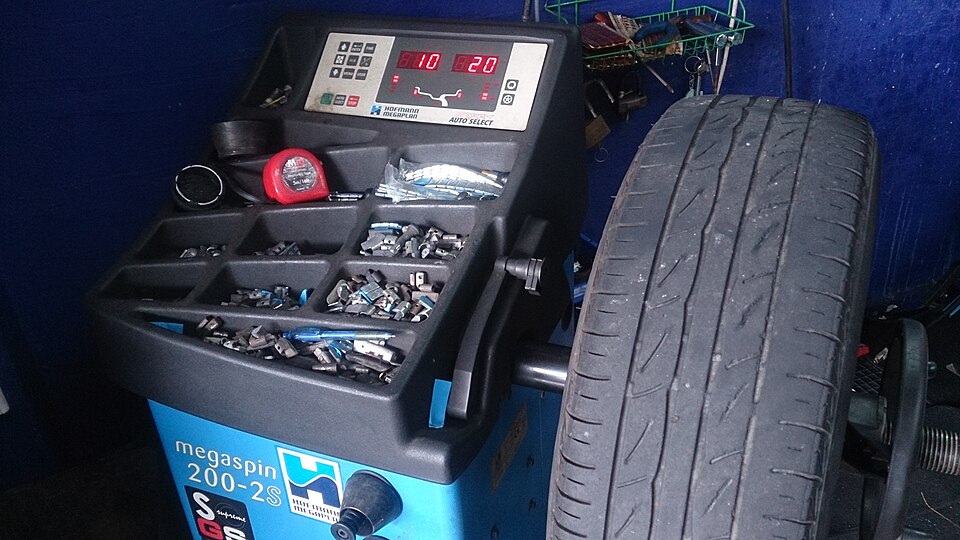
Alignment and balance solve different questions
Wheel alignment concerns suspension and wheel geometry relative to the manufacturer's specifications. Terms include toe, camber and caster. Balancing concerns uneven mass in the tyre-and-wheel assembly as it rotates. A vehicle can need one service, both services or investigation of a different fault.
Neither procedure is a universal cure for every noise, pull or vibration. Worn steering or suspension parts, damaged wheels, tyre faults, brake issues and road conditions can create overlapping symptoms. A careful workshop begins with the complaint and inspection rather than selling a preset package.
Describe the symptom precisely
Record whether the problem is felt through the steering wheel, seat or body, and whether it occurs while accelerating, cruising, braking or turning. Note the approximate conditions and when it first appeared. Do not deliberately drive at an unsafe speed to reproduce a symptom.
Tell the workshop about recent tyre fitting, rotation, puncture repair, suspension work, loading changes or impacts. In Zimbabwean driving, a remembered kerb or pothole strike is useful history, not proof of which component is damaged.
Ask what is being inspected
A sound assessment may include tyre condition and pressures, correct fitment, wheel condition, fastening, suspension and steering condition and a suitable road test where safe. A technician should address faults that prevent meaningful alignment before simply adjusting geometry.
A balancing machine can identify mass imbalance, but its result does not certify that the tyre has no internal damage or that the wheel and vehicle are otherwise sound. Similarly, a coloured alignment printout needs interpretation against the correct vehicle specification and the condition of the components.
An original workshop scenario
An owner notices a new vibration after an impact and asks only for balancing. During inspection, the workshop finds a damaged wheel and a tyre requiring assessment. Adding balance weights without addressing the damage would not answer the original safety question.
In another fictional case, the vehicle tracks acceptably but wears an inner edge rapidly. The useful request is a tyre, suspension and alignment assessment, including pressure and service history. It is not safe to conclude from tread wear alone that a particular adjustment must be made.
Read the report
Ask for the findings, work completed, parts requiring attention and any remaining limitation. If alignment was performed, retain the before-and-after measurements and the vehicle specification used. If balancing was performed, record which wheels were handled and whether a further issue was identified.
- Was tyre and wheel damage checked before adjustment?
- Were worn or loose components identified?
- Was the correct vehicle variant selected?
- Are there non-adjustable values outside the specified range?
- Was a follow-up test or further repair recommended?
Avoid repeated treatment without diagnosis
If the same vibration or pull remains after work, report it with the previous paperwork. Do not buy repeated balancing sessions or tyres without asking why the condition persists. A responsible workshop may need specialist measurement or referral rather than a confident one-line answer.
There is no universal alignment interval that replaces the handbook, usage conditions and symptoms. Have the vehicle assessed after relevant impacts, repairs, abnormal wear or handling changes, and follow manufacturer maintenance guidance. If steering feels unstable, a wheel appears loose or a tyre is visibly damaged, stop using the vehicle and arrange appropriate assistance rather than treating it as a comfort issue.
Build a useful appointment brief
Before visiting the workshop, write a short sequence of events: when the symptom began, whether an impact or repair preceded it, what conditions bring it on and what work has already been performed. Bring invoices and previous measurements if available. Separate your observations from the diagnosis someone suggested.
A fictional brief that says vibration began after a wheel repair and remains despite one balancing visit is more useful than saying the car needs alignment. It gives the technician a starting point without directing the investigation toward a predetermined sale.
After the work, ask what changed and what remains unresolved. If the workshop recommends further inspection, record the reason and urgency. An honest unresolved finding is more useful than an unsupported promise that every part of the vehicle is now perfect.
Sources & further reading
Use these references to check the underlying guidance and any current local requirements. Practical worksheets and illustrative examples in this guide are original educational material.
- Bridgestone: wheel alignment and balancing
- Bridgestone: tyre terminology
- NHTSA TireWise: tyre safety ratings, inflation, inspection and maintenance
This guide is general information. Source notes are not a claim of independent professional review.